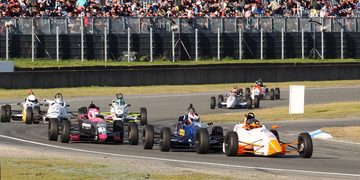




Four years ago, a teenage Christchurch racer was competing in a Formula Ford National championship race at Ruapuna raceway when he caught the attention of a man standing trackside. At the time, neither of them could have known where that moment would eventually lead.
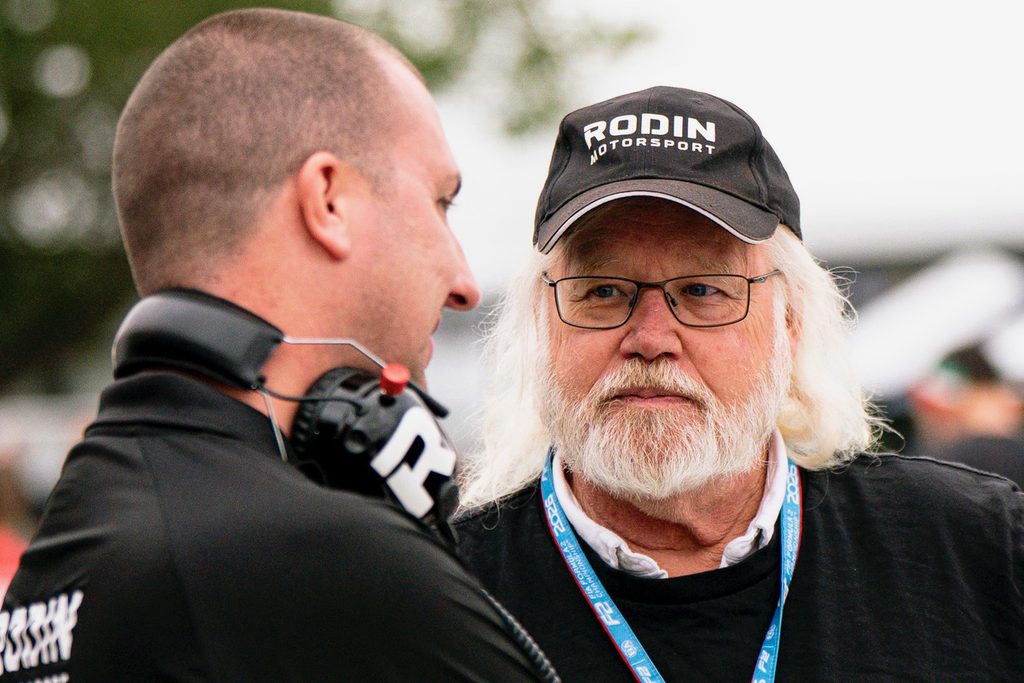
The teenager was Louis Sharp. The man watching was David Dicker.
Today, Sharp is one of New Zealand’s brightest international racing prospects, having won both the British Formula 4 and GB3 Championships with Rodin Motorsport. Dicker, meanwhile, has built one of the most ambitious motorsport organisations in the world through Rodin Cars and Rodin Motorsport.
Those two stories now intersect again. Only this time, the opportunity extends beyond a single young driver. It extends to every young racer harbouring ambitions for a career in international motor racing: via New Zealand Formula Ford, there is now a potential path to F1.
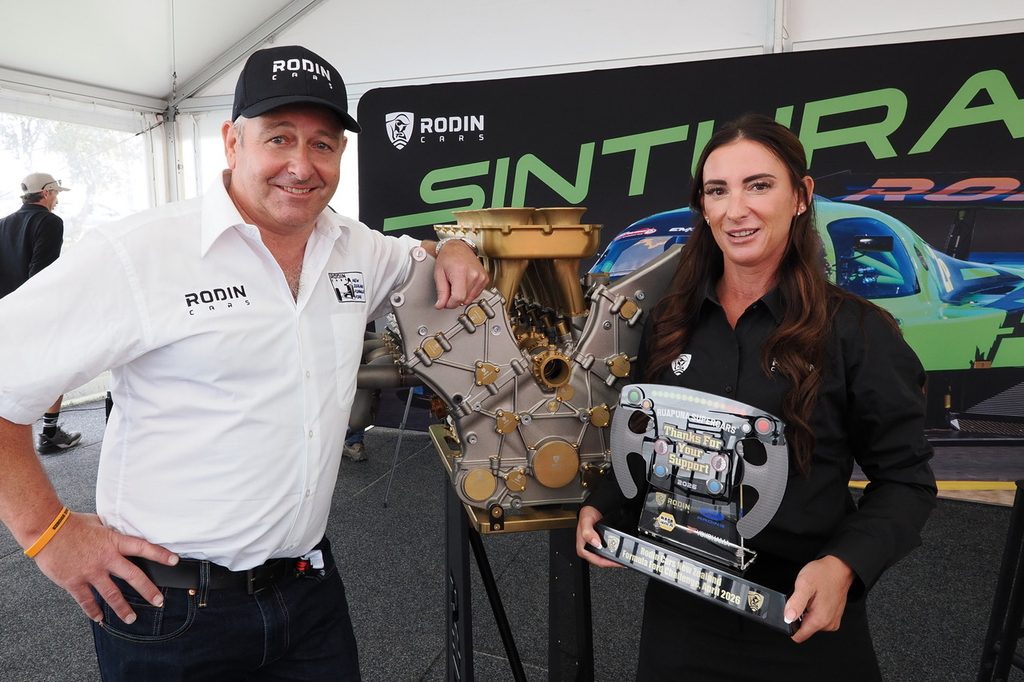
The recently announced partnership between the New Zealand Formula Ford Association and Rodin Motorsport has been widely reported as a sponsorship agreement. Technically, that is correct. Rodin has committed some $400,000 over three years to support the National Championship Series category and its competitors.
But focusing on the sponsorship money misses the point entirely. The money is not the story. The opportunity is.
Every year, Formula Ford attracts ambitious young drivers who dream of racing internationally. Every year, financial reality eventually intervenes. Talent is important. Determination is important. Results are important. Unfortunately, motorsport has never been particularly fair. More often than not, the greatest obstacle standing between a talented young driver and an international career is not speed. It is funding.
For generations of young New Zealand racers, the path to Europe has been uncertain, expensive and largely dependent on finding financial backing. Many outstanding drivers never received the opportunity their talent deserved.
That’s why the Rodin partnership is so significant.
For the first time in decades, New Zealand Formula Ford competitors have access to a clearly defined pathway into an international motorsport organisation competing at every major level below Formula One.
Not a scholarship. Not a one-off prize drive, but a pathway. Under the programme, the New Zealand Formula Ford Champion and a Rodin-selected wildcard driver will attend an intensive evaluation programme at Rodin Cars’ Mt Lyford facility in North Canterbury.
They will be assessed by professional engineers, driver coaches and development personnel using the same standards applied throughout Rodin Motorsport’s international racing operation. And then things become serious.
The selected drivers are flown to Britain and immersed in Rodin Motorsport’s Formula 4 programme, where they are evaluated against the standards required to compete internationally.
Think about that for a moment. A young driver begins the season racing Formula Ford in New Zealand. Twelve months later, they could be standing in a British Formula 4 pit garage being assessed by one of the world’s leading junior-driver organisations.
That is not fantasy; it is already happening. Current New Zealand Formula Ford Champion Marco Manson and Queensland teenager Sebastian Eskandari-Marandi recently completed Rodin’s evaluation programme at Mt Lyford and have been selected to travel to Britain for further assessment within Rodin Motorsport’s Formula 4 programme.
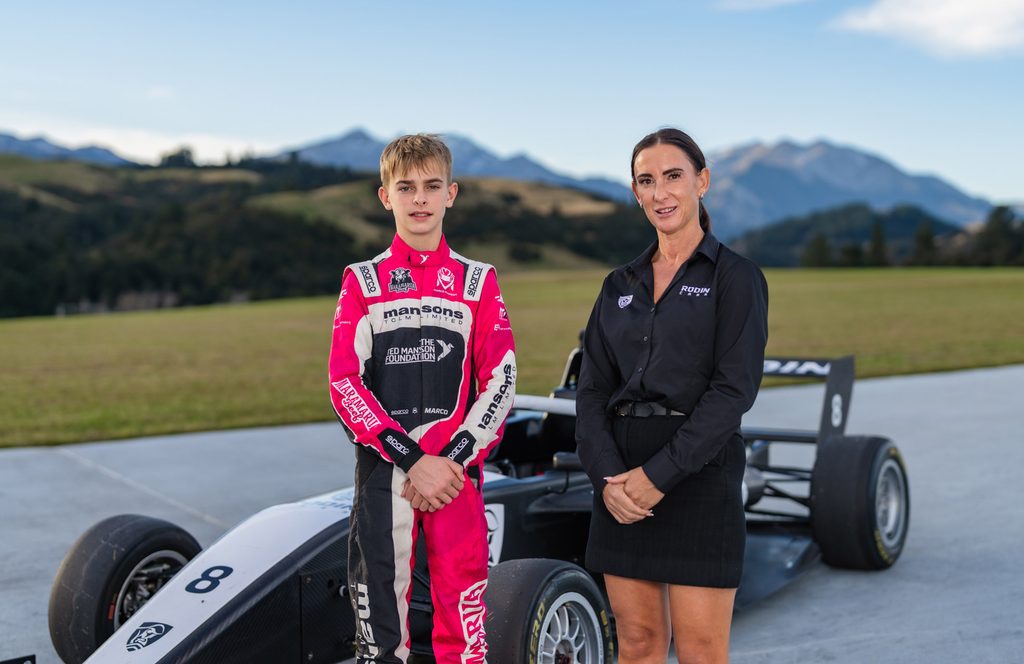
Their performances will be evaluated not only on speed but also on professionalism, adaptability, technical feedback, and long-term development potential.
The significance of this opportunity becomes even clearer when examining what Rodin Motorsport has become.
When David Dicker acquired the famous Carlin Motorsport operation in Britain, he gained control of one of the most successful junior single-seater teams in modern motorsport. Over more than two decades, Carlin helped launch the careers of drivers who progressed to Formula One, IndyCar, Formula E and virtually every major international category.
Today, operating as Rodin Motorsport, the organisation competes throughout the international junior ladder, including British Formula 4, GB3, FIA Formula 3, FIA Formula 2 and F1 Academy.
Very few organisations anywhere in the world of motorsport can offer a development pathway that stretches from entry-level wings-and-slicks racing to the doorstep of Formula One. Rodin can. That fact fundamentally changes the value of winning a New Zealand Formula Ford Championship.
Traditionally, success in New Zealand Formula Ford brought recognition, trophies and the satisfaction of winning one of the country’s most respected junior categories. Those things still matter. But now there is something else waiting at the end of the season.
Opportunity, real opportunity. The sort of opportunity that motorsport parents spend years searching for and drivers spend entire careers pursuing.
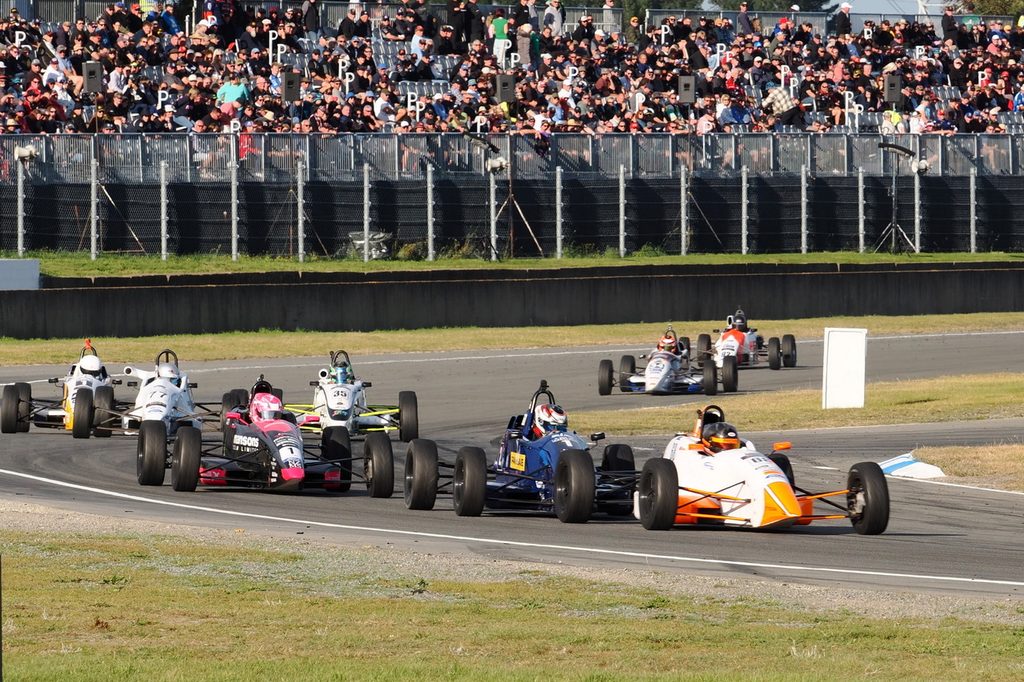
The New Zealand Formula Ford Association deserves considerable credit for recognising the significance of the proposal when it was first presented.
The category has enjoyed valuable support from the Tony Quinn Foundation in recent years. That contribution has helped competitors by providing travel assistance, race-win incentives, and championship support, making national-level competition more accessible to many families. Shane Drake, the Championship Coneror, says the category remains extremely grateful for that backing.
However, opportunities occasionally emerge that transcend traditional sponsorship arrangements. The Rodin proposal was one of those moments. The decision ultimately came down to a simple question.
If NZ Formula Ford exists to identify, develop and promote young racing talent, could it realistically ignore a pathway that connects New Zealand competitors directly to an organisation competing in Formula 4, Formula 3 and Formula 2?
The answer was obvious. New Zealand motorsport has seen similar moments before. The famous Driver-to-Europe initiatives of previous decades created opportunities that helped launch international careers and established New Zealand’s reputation for producing exceptional racing talent.
Those programmes have since disappeared, victims of escalating costs and changing commercial realities. That is what makes the Rodin partnership feel different.
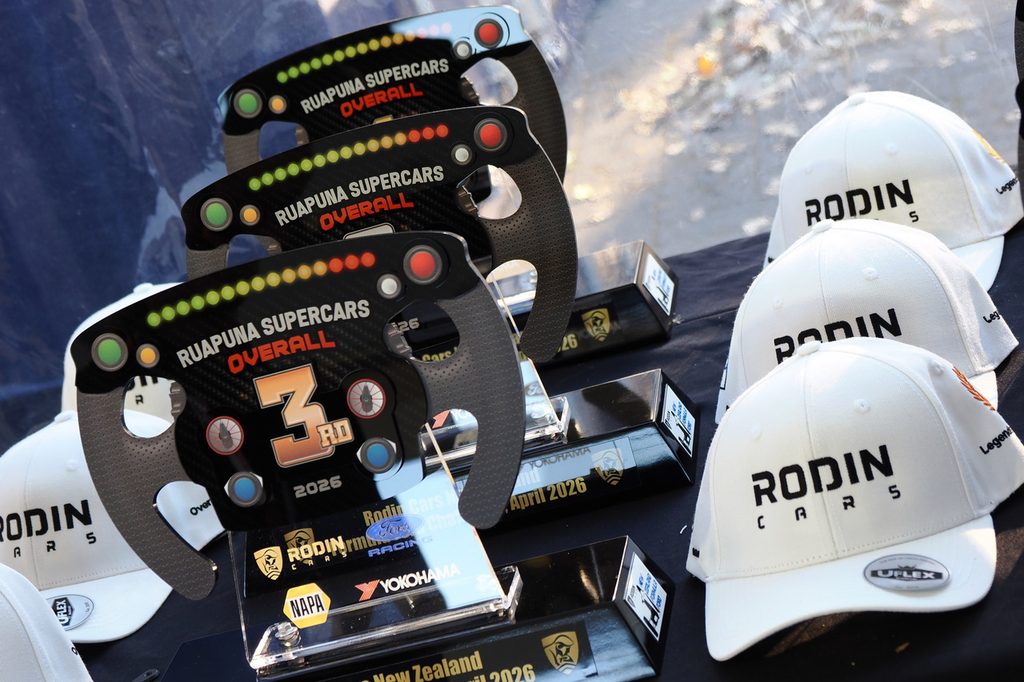
It is not simply funding; it’s not simply sponsorship. It is not simply marketing. It is an attempt to build a bridge between grassroots New Zealand motorsport and the international stage.
Whether it ultimately produces a Formula One driver is impossible to know.
Motorsport remains brutally competitive, and success is never guaranteed. But for the first time in a very long time, a young driver standing on a Formula Ford grid in New Zealand can look beyond the next race meeting and see a road stretching much further than the finish line.
And that may prove to be the most valuable prize of all.
Header Image: Supplied
This is a fantastic opportunity on offer and many thanks to David and Rodin for initiating it. Very, very generous. One question, is there an age limit to qualify? I ask as perhaps a previous competitor in ff or another sanctioned series may decide he would love to win this opportunity but by now is in his mid to late 20s so would have little chance of moving far forward in other classes.
Many thanks for this article I somehow missed the just of the announcement through Zhe normal channels,which I guess is not a surprise. Really looking forward to reading about the drivers undergoing evaluation etc.