



New Zealand has never been short on motorsport heroes. From the gravel roads of rallying to the biggest stages in Formula 1, endurance racing, and beyond, Kiwi drivers have long punched above their weight on the world stage.
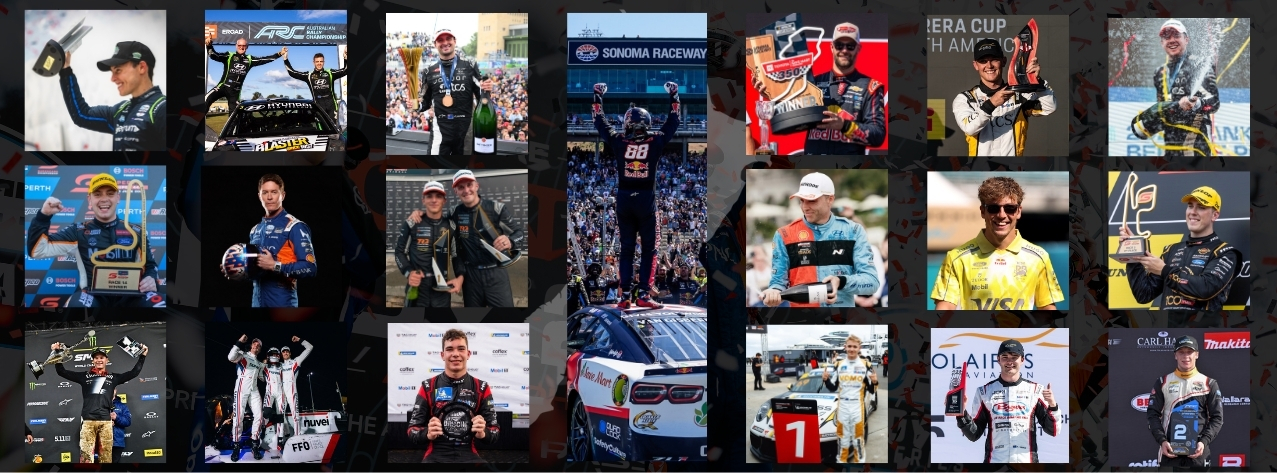
But as the current crop of drivers continue to expand across nearly every major international category, a compelling question is beginning to emerge — are we witnessing the greatest generation of Kiwi motorsport talent yet?
It’s a bold claim. And one that can’t be made lightly without acknowledging the giants who laid the foundation.
Standing on the Shoulders of Greats
New Zealand’s motorsport legacy is rich, built by drivers who not only succeeded but helped shape the sport globally.
Bruce McLaren was more than just a driver; he was a visionary. A Formula 1 race winner at just 22 years old, he remains one of the youngest to ever achieve that feat. Beyond the cockpit, he founded McLaren, which has since become one of the most successful and recognisable teams in global motorsport. His influence stretched far beyond Formula 1, with success in Can-Am and endurance racing, and his legacy continues to define innovation and excellence at the highest level.
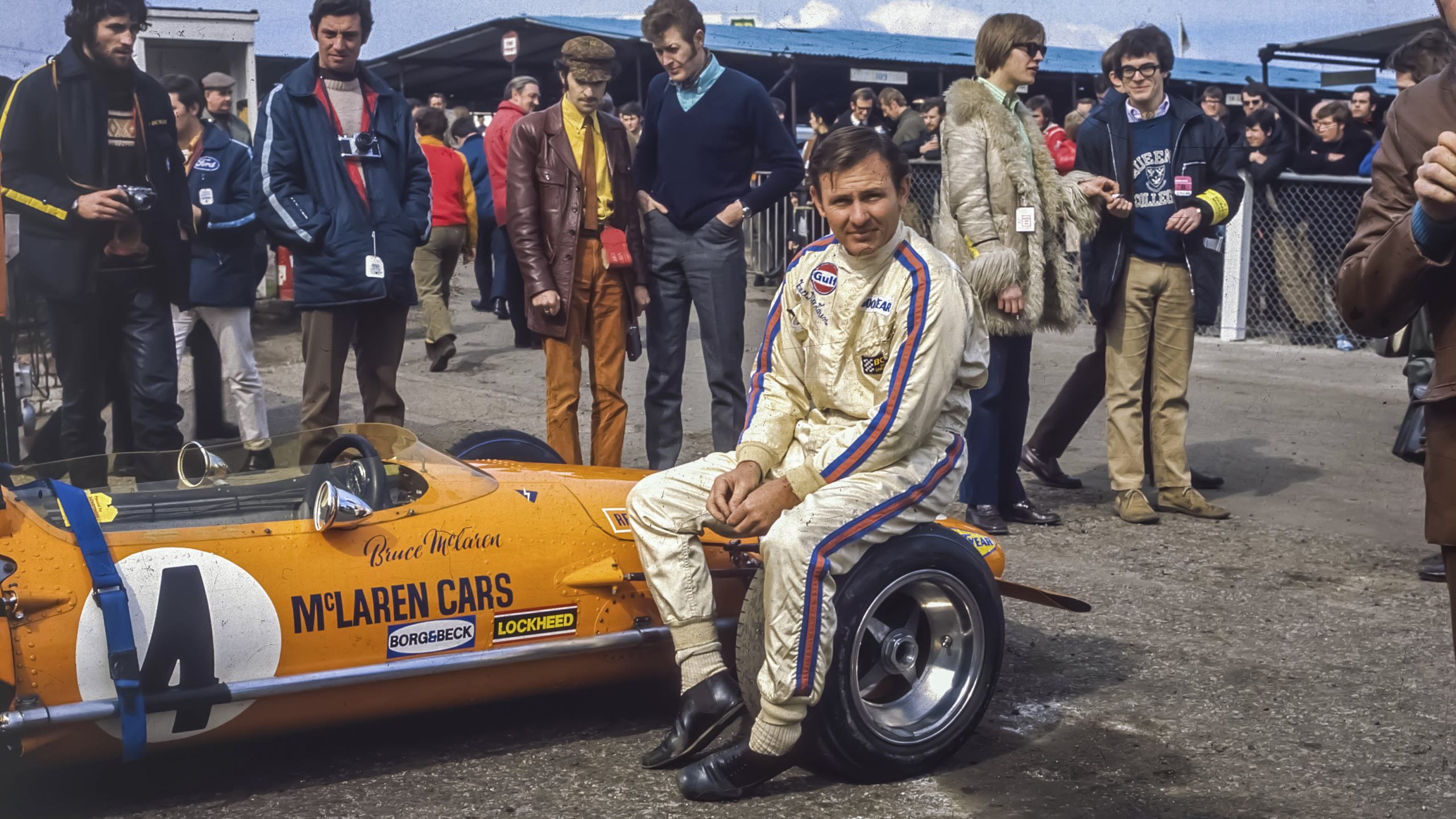
Denny Hulme remains New Zealand’s only Formula 1 World Champion, claiming the title in 1967 during one of the sport’s most dangerous eras. Known as “The Bear” for his calm, tough demeanour, Hulme combined consistency with speed, finishing on the podium repeatedly throughout his career. He also achieved significant success in Can-Am, where he was a dominant force alongside McLaren, further cementing his place among the sport’s greats.
Chris Amon, widely regarded as one of the greatest drivers never to win a Formula 1 race, was revered by his peers for his natural speed and technical feedback. He played a crucial role in developing race-winning cars, including for Ferrari, and famously won the 24 Hours of Le Mans in 1966 alongside Bruce McLaren. Despite a lack of wins in Formula 1, his reputation as a driver’s driver remains unmatched.
In rallying, Possum Bourne became a national icon. A multiple-time champion in the Asia-Pacific Rally Championship, Bourne was known for his fearless commitment and precision on gravel. His connection with fans, combined with his success both domestically and internationally, made him one of the most beloved figures in New Zealand motorsport history.
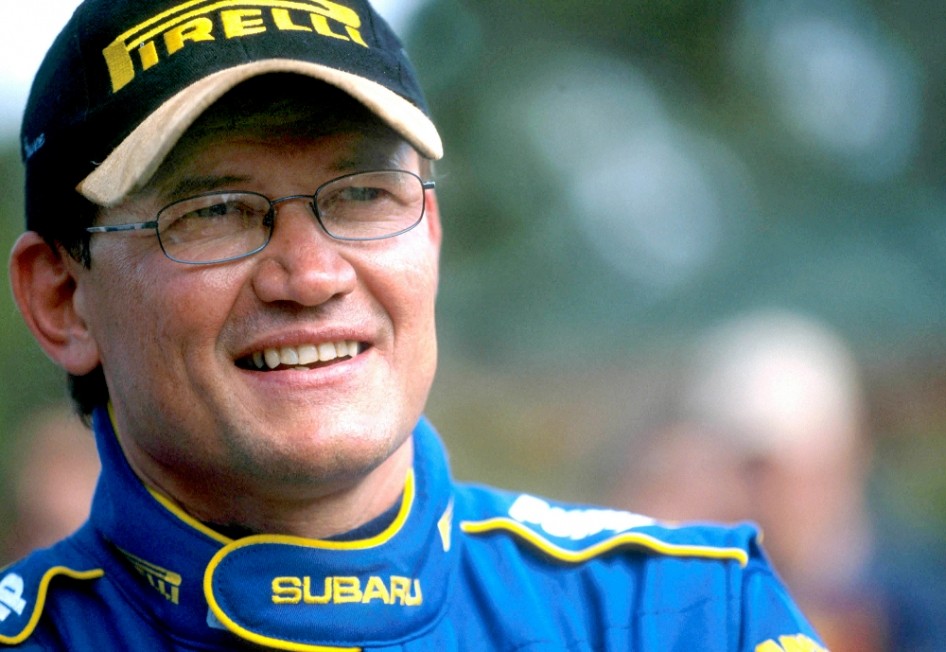
Jason Richards carved out a hugely respected career in touring cars, particularly in Australia’s Supercars scene. A race winner and consistent front-runner, Richards was admired not only for his driving ability but also for his resilience and character. His battle with illness and the courage he displayed during that time left a lasting impact on the motorsport community on both sides of the Tasman.
Howden Ganley represented New Zealand in Formula 1 during a fiercely competitive era in the 1970s, competing against some of the sport’s biggest names. Beyond his driving career, Ganley made significant contributions as an engineer and team manager, remaining deeply involved in motorsport and continuing to influence the sport long after stepping away from the cockpit.
These extraordinary names are not just part of history — they are the standard.
More recently, among the many New Zealand drivers to succeed overseas, few carved out a reputation quite like Paul Radisich. A two-time winner of the FIA Touring Car World Cup in the mid-1990s, Radisich proved his class against the very best in Europe during touring car racing’s golden era. His success in the fiercely competitive British Touring Car Championship, where he was a consistent front-runner, cemented his place as one of the country’s most accomplished international exports.
Greg Murphy is one of New Zealand’s most respected touring car drivers, best known for his time in the Supercars Championship. He was a four-time winner of the Bathurst 1000 (1996, 1999, 2003, 2004) and a consistent front-runner through the late 1990s and early 2000s.
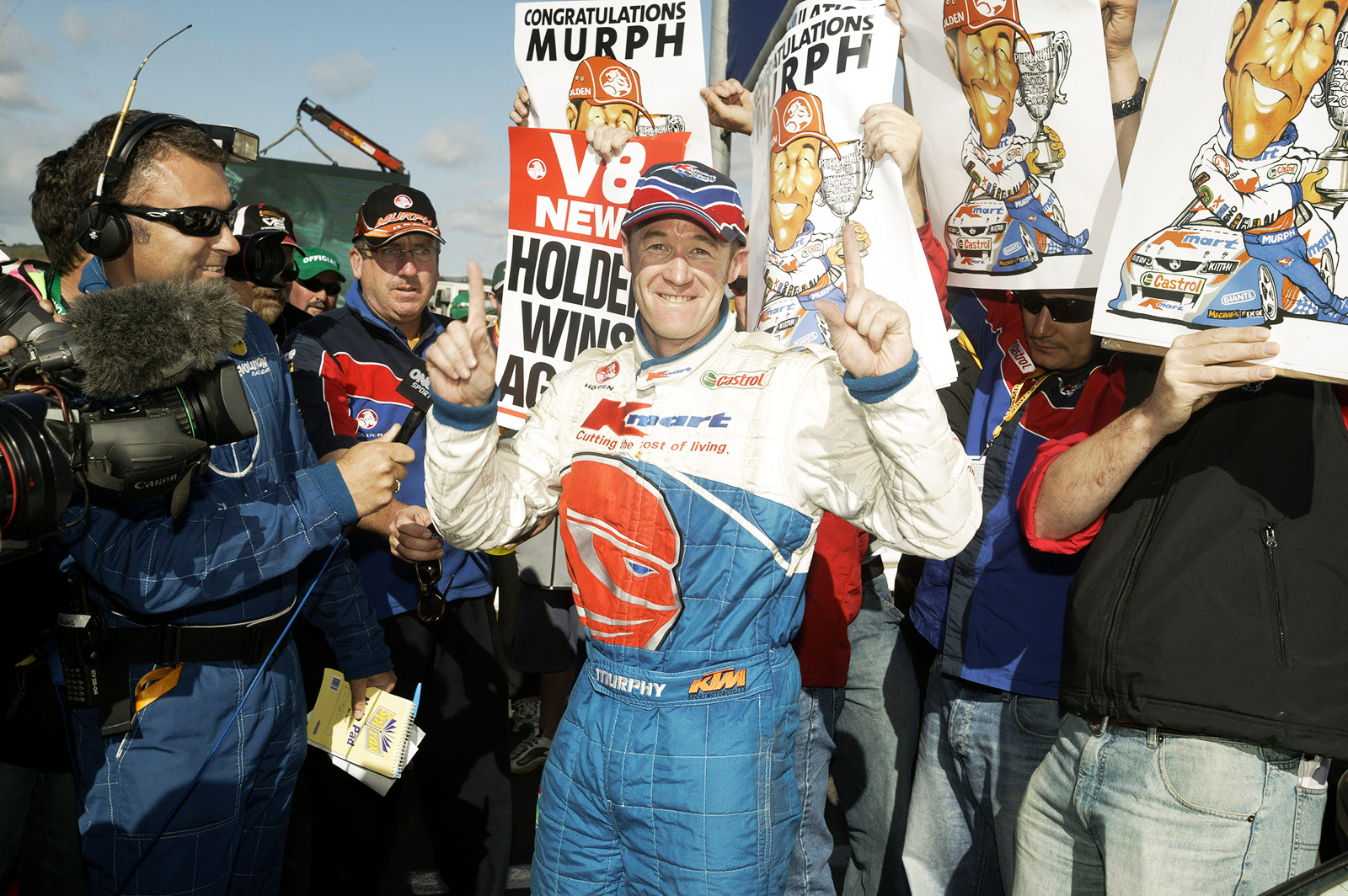
Murphy is still closely associated with his famous “Lap of the Gods” at Bathurst in 2003, a qualifying lap that stood out for its precision and speed and remains one of the benchmark moments in Supercars history. Across his career, he was known for being smooth, calculated, and technically strong behind the wheel, and played a big part in continuing New Zealand’s success in Australian touring car racing.
Another Kiwi who forged a remarkable career offshore is Jim Richards, a New Zealand Motor Racing Hall of Fame inductee. A mainstay of Australian touring cars, Richards enjoyed decades of success, including seven Australian Touring Car Championship titles and a record seven wins at the Bathurst 1000. Known for his consistency, racecraft and longevity, he became one of the most respected figures in the sport and set a lasting benchmark for Kiwi drivers competing overseas.
Craig Baird, a multiple champion on both sides of the Tasman, enjoyed standout success in the Porsche Carrera Cup Australia and Porsche GT3 Cup Challenge Australia, where his consistency and precision established him as a benchmark in Porsche one-make competition.
A New Wave Taking on the World
Fast forward to today, and the scale of Kiwi representation across global motorsport is remarkable.
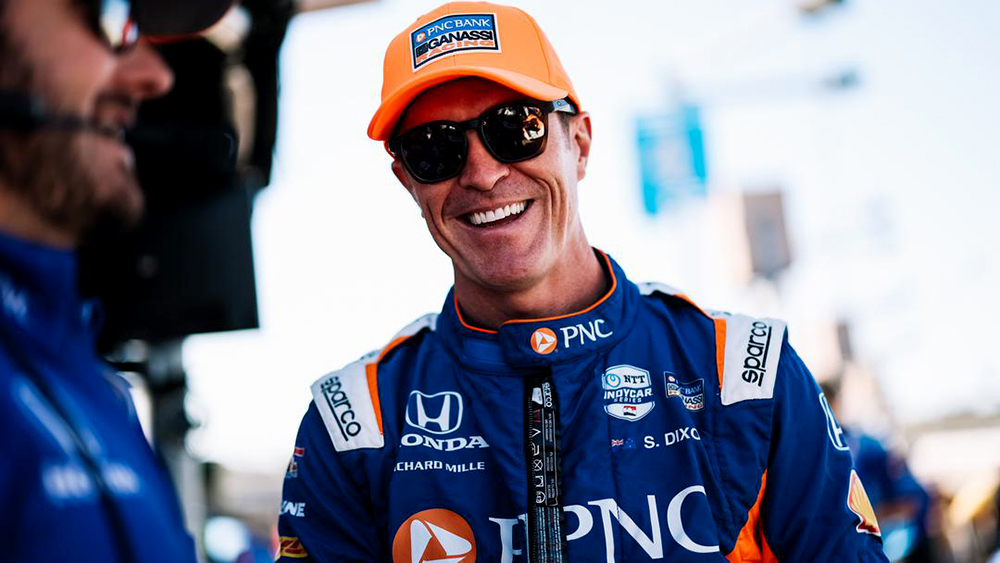
At the very top, Scott Dixon continues to build on one of the most decorated careers in the IndyCar Series. A multiple-time series champion and Indianapolis 500 winner, Dixon has become the benchmark for consistency and racecraft, renowned for his strategic brilliance and ability to deliver results year after year. With victories spanning well over a decade, his longevity and sustained success have firmly placed him among the all-time greats of the sport.
Alongside him, Scott McLaughlin has executed one of the most impressive career transitions in recent years. After dominating the Supercars Championship with multiple titles, McLaughlin made the switch to IndyCar and quickly adapted to the vastly different discipline. Now a race winner and regular front-runner, he has proven his versatility and speed, establishing himself as a genuine contender against some of the best open-wheel drivers in the world.
Alongside them, Marcus Armstrong is continuing an impressive upward trajectory in the IndyCar Series, securing podium finishes and regularly featuring inside the top 10. As his confidence and results grow, he has at times even outperformed fellow Kiwis Scott Dixon and Scott McLaughlin, further strengthening New Zealand’s presence in the category.
In Formula 1, Liam Lawson has quickly become New Zealand’s next leading name, with a rise that’s been fast but well-earned. After early success in New Zealand and Australia, he worked his way through Formula 3 and Formula 2, where he showed strong racecraft, resilience, and an ability to make the most of every opportunity.
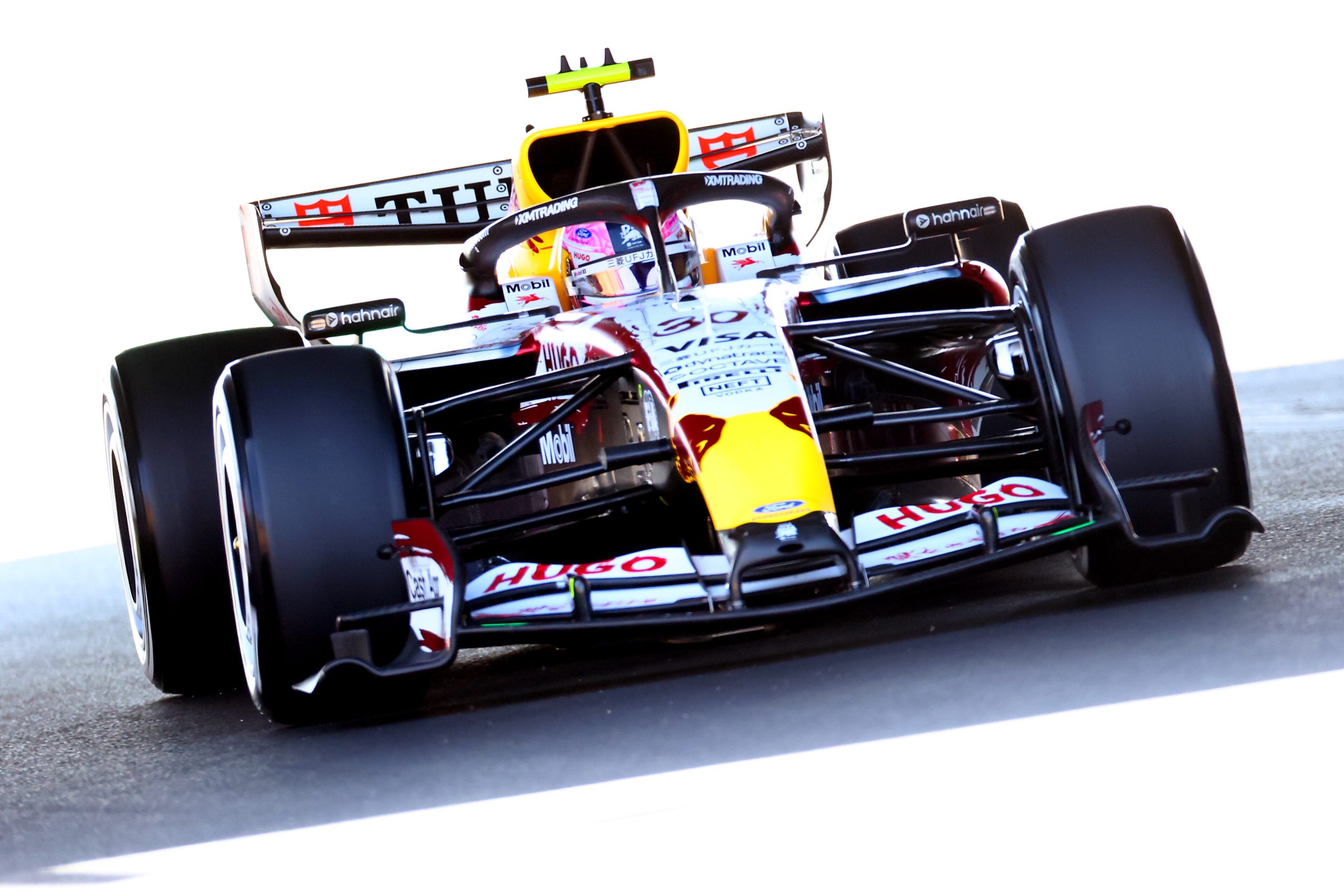
His big break came when he was called up to Formula 1 at short notice. Even with limited preparation, he delivered calm, competitive drives against experienced teammates and rivals, showing he could handle the pressure of the sport’s top level.
Since then, Lawson has continued to build his place in the championship, proving he belongs on the grid and adjusting to the demands of Formula 1. His path has been steady but decisive, and he’s quickly become one of the key Kiwi names in the sport today.
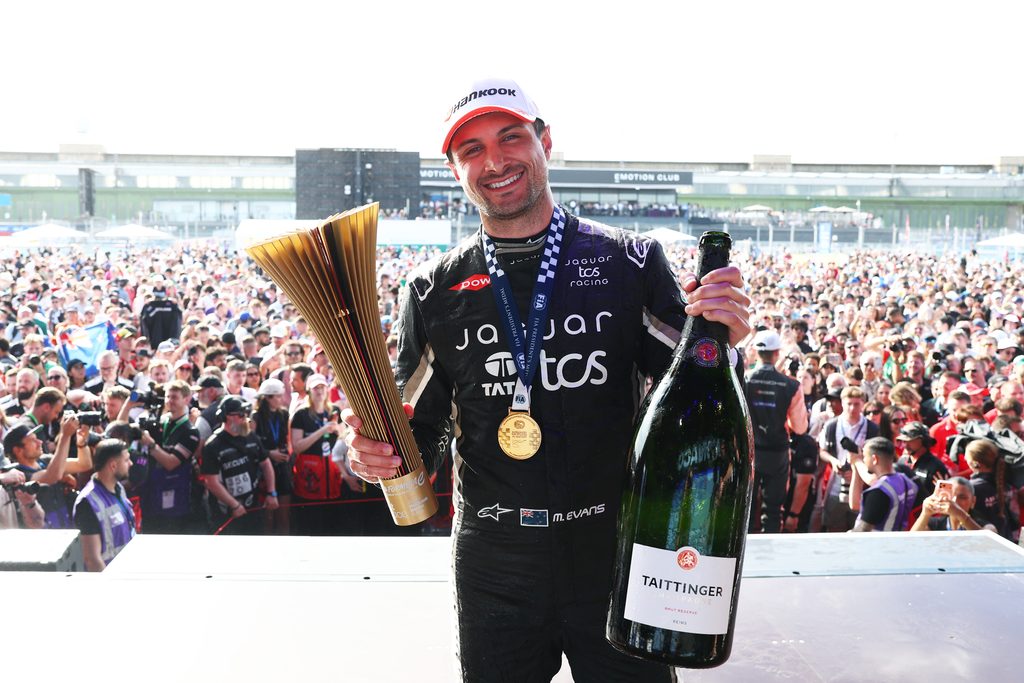
Formula E has become another Kiwi stronghold, headlined by record-breaking success and consistent title contention. Mitch Evans recently etched his name into the history books by claiming the most wins in Formula E history, his latest victory coming at the 2026 Berlin E-Prix.
Both Evans and Nick Cassidy have been firmly in the championship fight in recent seasons — Cassidy finishing runner-up in 2024/2025, while Evans did the same in 2023/2024, with Cassidy close behind in third that year. Alongside his Formula E campaign, Cassidy has also stepped onto the global endurance stage in the FIA World Endurance Championship, competing with Peugeot TotalEnergies at the highest level of sports car racing.
Across endurance racing, Kiwi drivers continue to excel at the very highest level, led by the remarkable achievements of Brendon Hartley. A multiple-time winner of the legendary 24 Hours of Le Mans, Hartley has also claimed several world titles in the FIA World Endurance Championship, firmly establishing himself as one of the most accomplished endurance racers of his generation. His success with Toyota Gazoo Racing has been built on consistency, technical expertise, and an ability to deliver under pressure on the biggest stages in world motorsport.
Earl Bamber has likewise carved out an elite career, also a Le Mans winner and now continuing to shine in the IMSA SportsCar Championship. Competing at the front of the field in the hyper-competitive GTP category, Bamber has been a regular contender, adding to an already decorated résumé that spans endurance racing’s most prestigious events.
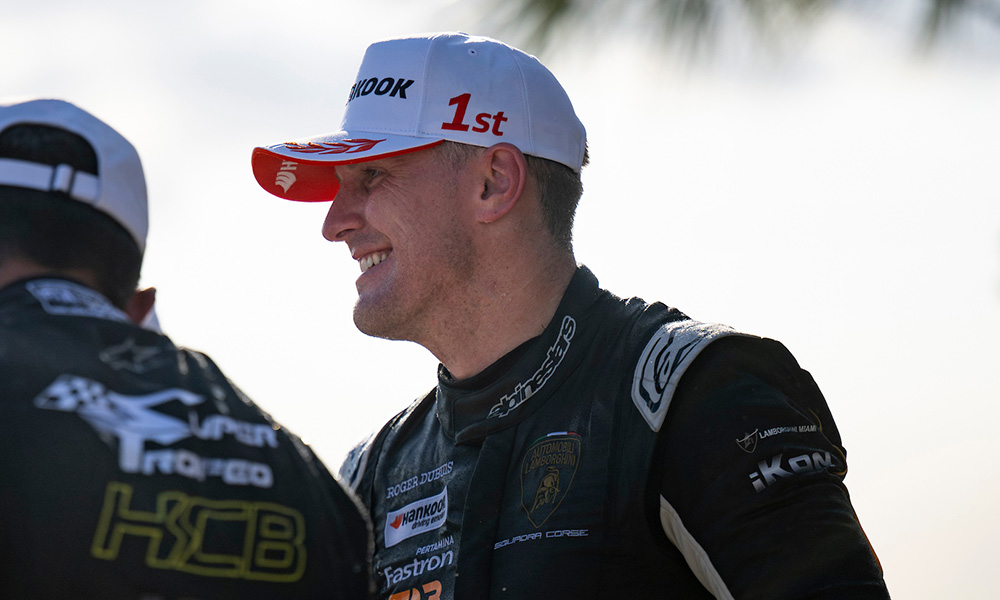
His brother, Will Bamber, has built his own success in GT racing, particularly in the Lamborghini Super Trofeo North America Championship, where he has consistently been a front-running competitor and race winner, showcasing his strength in one-make and GT machinery.
Jaxon Evans has also continued to evolve as a versatile and competitive driver. After gaining valuable experience in the Supercars Championship, Evans has found strong form in GT competition, achieving success in GT World Challenge Australia before taking the next step onto the international stage in GT World Challenge Asia, where he now competes against some of the best GT drivers in the region.
Shane van Gisbergen’s move to the NASCAR Cup Series has added another layer to New Zealand’s global motorsport presence, but it came off the back of one of the most dominant careers seen in modern Supercars. A multiple-time champion in the Supercars Championship, van Gisbergen built a long list of race wins and was especially strong on street circuits and in endurance events, including multiple victories at the Bathurst 1000.
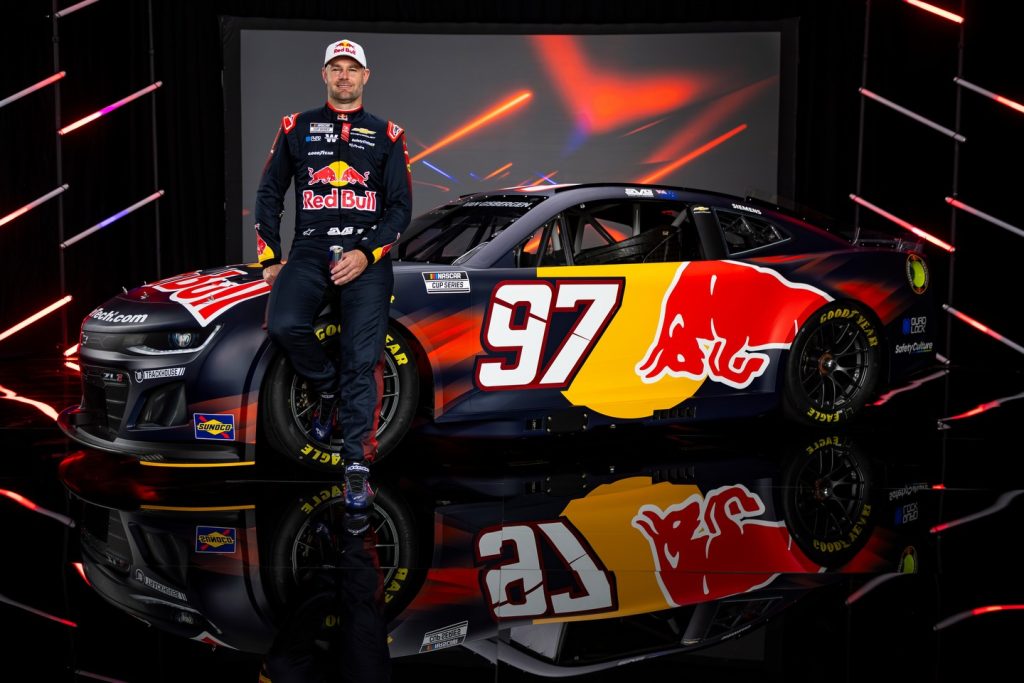
His switch to NASCAR grabbed attention straight away when he won on debut at the Chicago Street Race, becoming one of the very few drivers in modern history to win their first Cup Series start. It was a standout moment that highlighted how quickly he can adapt to completely different cars and formats.
Since then, he’s been learning the oval side of NASCAR while continuing to show strong pace on road and street circuits. The move has only added to his reputation, underlining the adaptability that’s become a hallmark of this current generation of Kiwi drivers.
Meanwhile, the next wave of Kiwi talent is continuing New Zealand’s long-standing influence in the Supercars Championship, with drivers like Ryan Wood, Matt Payne, and Andre Heimgartner all making their mark in increasingly competitive machinery.
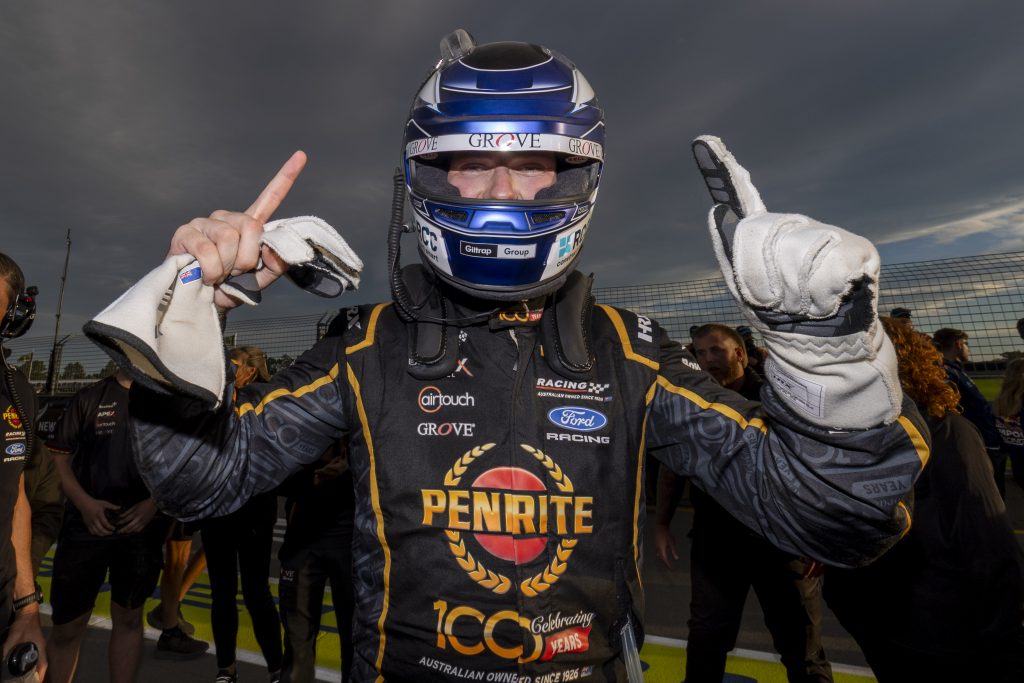
Heimgartner has firmly established himself as a proven race winner in the category, known for his consistency and ability to extract strong results across a variety of circuits.
Payne, one of the category’s rising stars, has already shown front-running pace and race-winning potential early in his Supercars career, underlining his credentials as a future championship contender, currently sitting third in the 2026 Supercars Championship standings.
Wood, representing the newest Kiwi generation in Australia, has stepped into the Supercars Championship with growing confidence. He’s quickly adapted to the demands of the category, continuing to sharpen his racecraft and show real potential as a future front-runner, while also helping make history with Toyota and Walkinshaw TWG Racing in the series.
Together, they represent both experience and emerging potential, continuing New Zealand’s deep-rooted success in the Supercars Championship and following in the footsteps of drivers like Shane van Gisbergen and Scott McLaughlin. It’s a clear sign that the pipeline of Kiwi talent in the category remains as strong as ever.
The Next Generation is Already Here
What makes this era particularly compelling isn’t just the established stars, it’s the sheer volume of emerging talent already making their mark internationally.
Young drivers like Louis Sharp continue to climb the single-seater ladder in Formula 3, taking important steps toward the sport’s upper tiers.
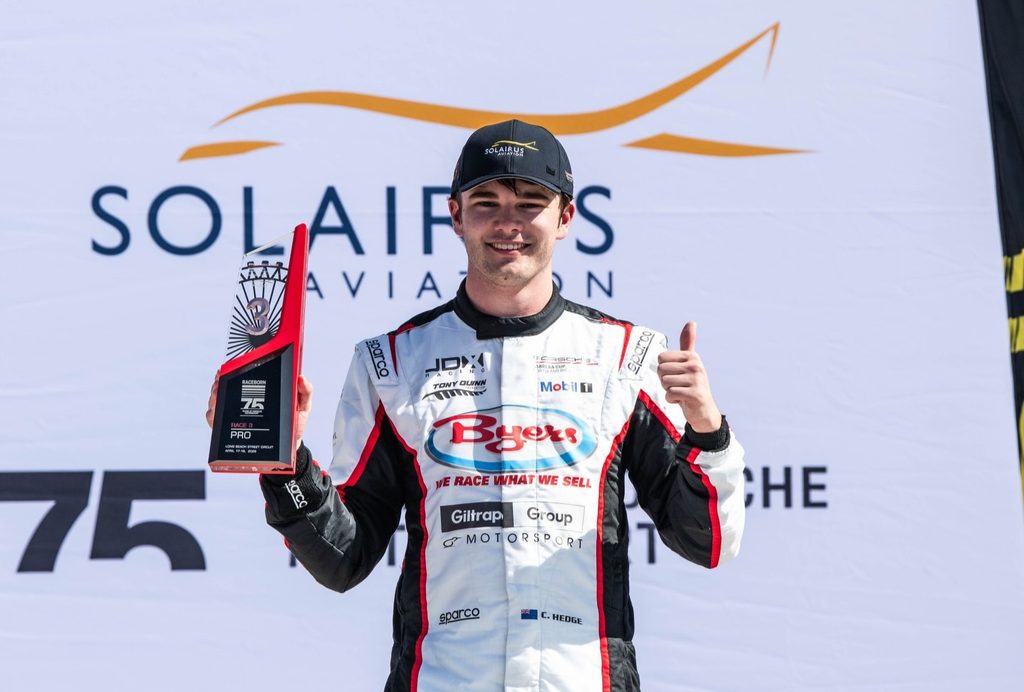
Meanwhile, Callum Hedge and Liam Sceats have already transitioned beyond that pathway. Hedge now competing in Porsche Carrera Cup North America, and Sceats in Lamborghini Super Trofeo Asia, marking the next phase of their international careers.
Cole Davies has surged to the forefront of international motocross, recently crowned the 2026 250SX East Champion in the AMA Supercross Championship after finishing third overall in the 2025 250SX West standings the year prior. Fellow Kiwi Cormac Buchanan is also taking on the world stage, competing against elite talent in the MotoGP paddock in the Moto3 category.
Courtney Duncan has built an impressive career as one of New Zealand’s most successful motocross riders, winning multiple FIM Women’s Motocross World Championships. Hailing from Otago, she’s known for her consistency and ability to deliver when it counts. Her success on the world stage has helped put Kiwi motocross firmly on the map and continues to inspire young riders coming through the ranks.
Meanwhile, Hunter McElrea continues to build an impressive career in the United States. He now serves as a test and reserve driver for Ed Carpenter Racing in the IndyCar Series, while also emerging as a top contender in the IMSA SportsCar Championship LMP2 class with United Autosports USA. His rise was further underlined by securing the 2025 LMP2 title with TDS Racing.
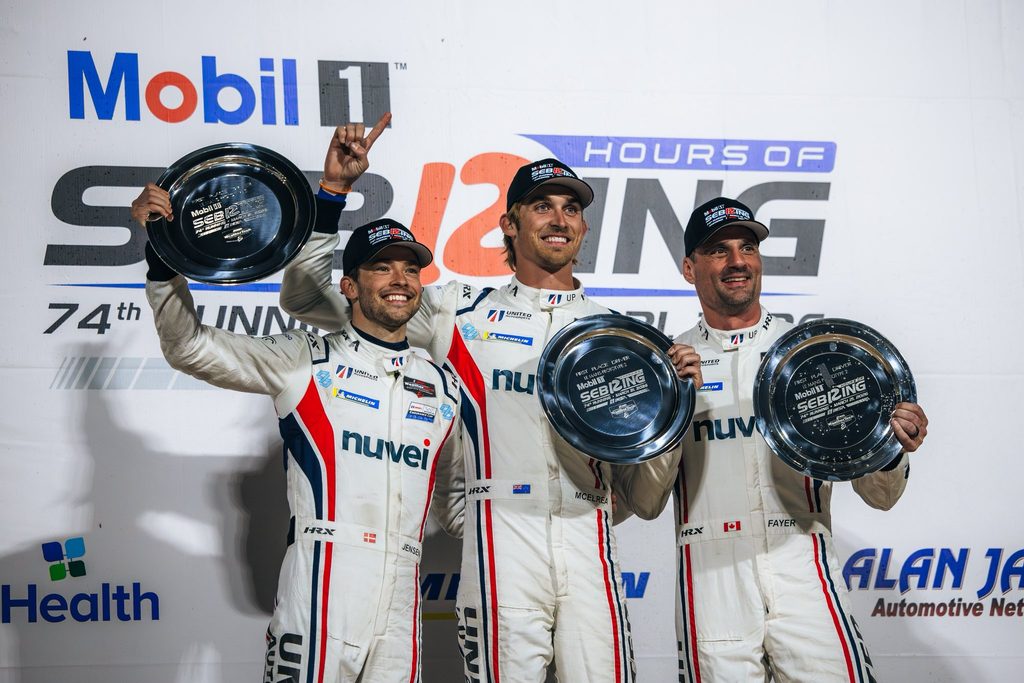
In GT and endurance racing, a group of experienced and emerging Kiwi drivers continue to make their mark across international competition.
Brendon Leitch has become a consistent front-runner in GT machinery, particularly in Lamborghini and GT World Challenge categories, where his speed and racecraft have delivered podiums and strong results in highly competitive fields. His ability to quickly adapt to co-driver formats and endurance racing demands has made him a valuable asset in international GT campaigns.
Chris van der Drift brings a wealth of experience to the global stage, with a career spanning Europe and Asia. A proven race winner in GT and touring car categories, he has built a reputation for consistency and professionalism, remaining a competitive force in endurance and GT racing while mentoring younger drivers coming through the ranks.
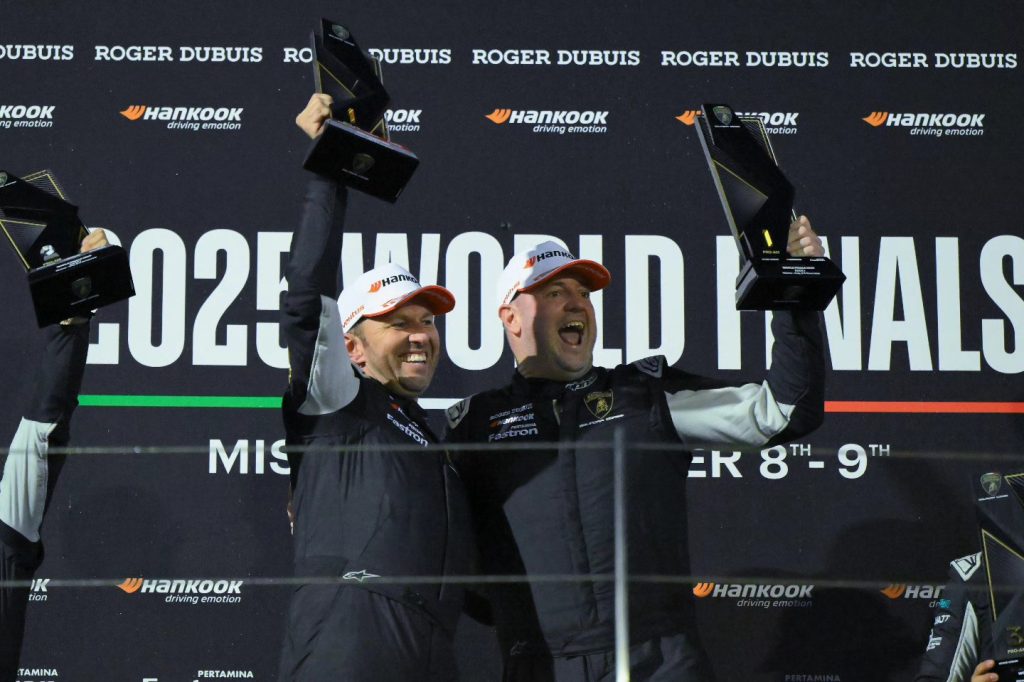
Daniel Gaunt continues to be a versatile and dependable presence in GT and endurance racing, particularly across Asian-based championships. With years of experience and race-winning pedigree, Gaunt has remained competitive in a variety of machinery, contributing to strong team performances and maintaining his standing as a respected figure in the paddock.
Meanwhile, Marco Giltrap represents the next generation stepping into the spotlight. Transitioning into higher levels of GT competition, he has shown promising pace and development, positioning himself for a growing role on the international stage as he continues to build experience against seasoned competitors in the Porsche Carrera Cup Asia Championship.
The pipeline runs even deeper. Talents such as Jackson Culver, Zack Scoular, Jacob Douglas, Ayrton Hodson, Blake Dowdall, Madeline Stewart, Clay Osborne, and Tom Bewley are already competing on the international stage — drivers still in the early to mid stages of their careers, steadily gaining experience while establishing themselves against strong international competition.
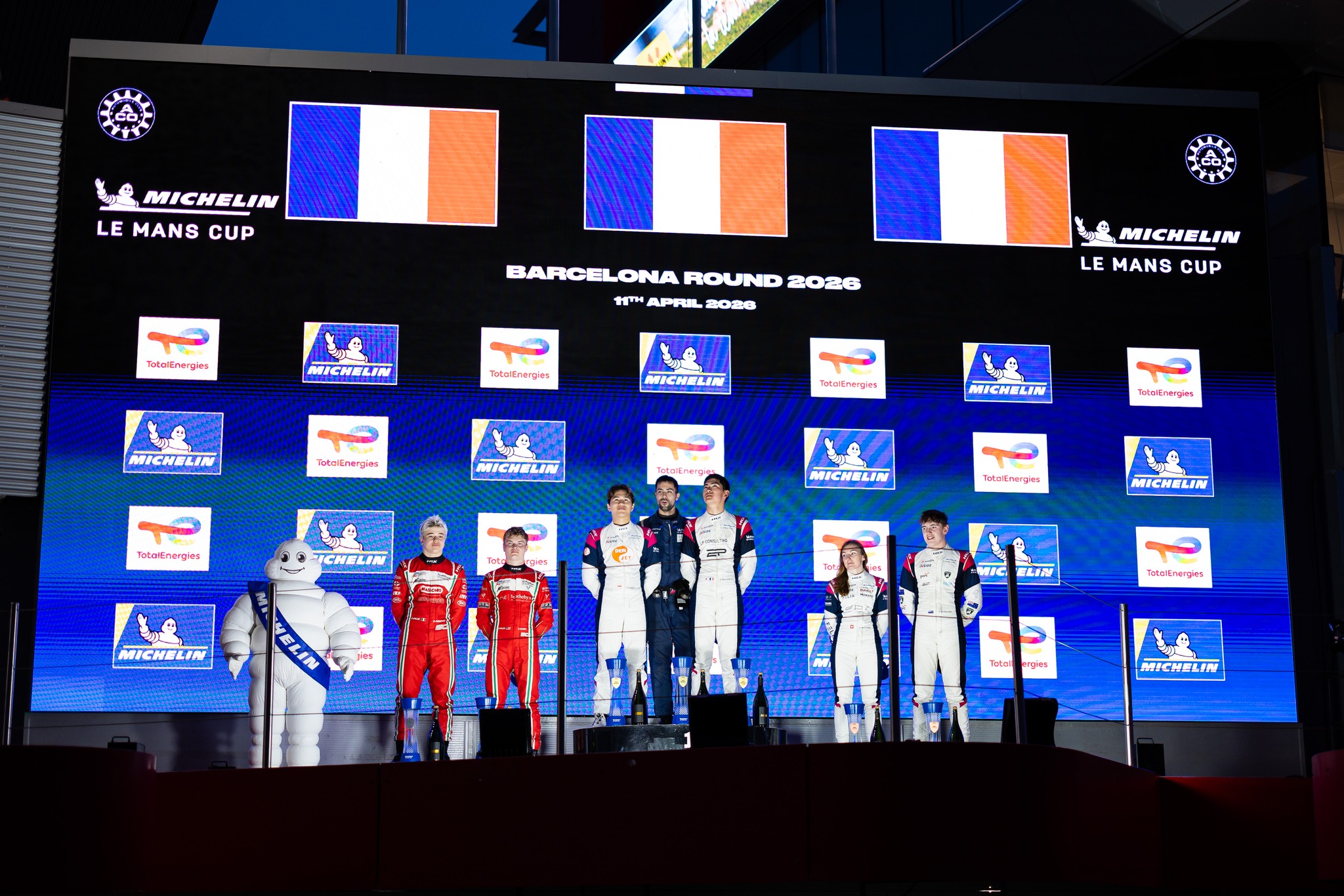
Add to that names like Ryan Yardley, Matt McCutcheon, and Hunter Robb, and the picture becomes unmistakable: this is not a narrow peak of talent, but a deep and expanding wave, one of the most significant surges New Zealand has produced on the global stage.
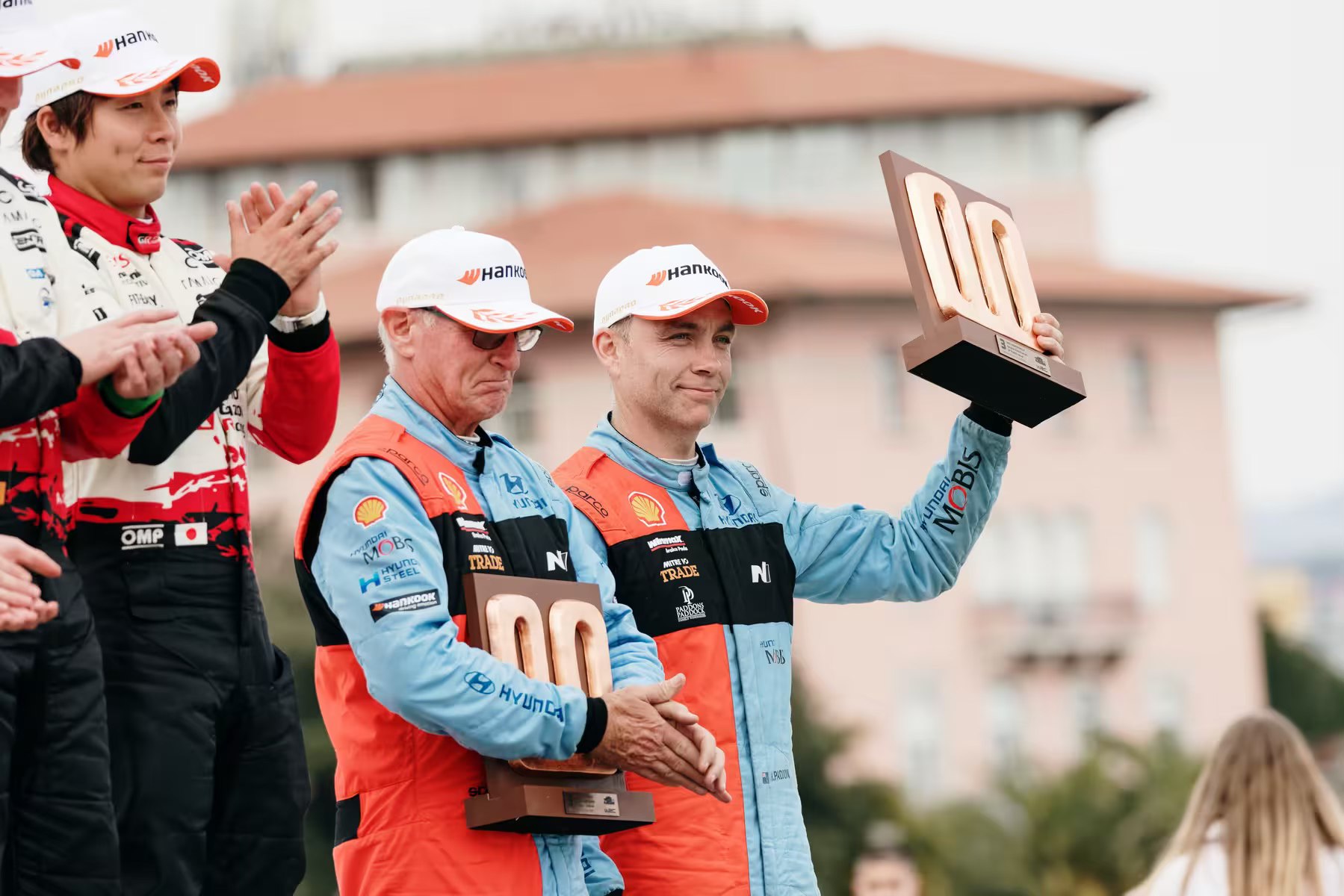
Even in rallying, Hayden Paddon and co-driver John Kennard continue to lead the charge, proving Kiwi excellence extends well beyond circuit racing. The pair have recently returned to the World Rally Championship, where they are competing against the sport’s most skilled and disciplined crews, and most recently secured a podium finish at the 2026 Croatia Rally. That result followed directly on from their 2025 Australian Rally Championship title, underlining their continued competitiveness at the highest level of rallying.
Small Nation, Global Impact
New Zealand’s population is just over five million. In global motorsport terms, that’s small — especially compared to the major European and North American countries that dominate the industry.
But despite that, New Zealand continues to produce a steady stream of drivers competing at the highest level worldwide. On a per capita basis, New Zealand is at the top.
A lot of that comes down to the structure of motorsport here. The grassroots scene is strong, and many drivers grow up racing in a wide range of machinery early on. There’s also a practical reality to being based so far from the main international centres — if Kiwi drivers want to progress, they usually have to leave home early and adapt quickly.
That has shaped a common trait among them. They tend to be flexible, willing to switch categories and take on different disciplines as opportunities come up. It’s not always a straight path, but it’s one that has consistently produced drivers who can adjust and perform in very different racing environments.
The Case for a Golden Generation
So, is this the greatest era of Kiwi motorsport?
There’s a fair argument to say it might be.
Never before has New Zealand had so many drivers competing at the top levels of global motorsport at the same time. From Formula 1 and IndyCar through to Formula E, NASCAR, GT racing, and the junior categories, Kiwi representation is both wide-ranging and genuinely competitive. More importantly, that presence shows no sign of slowing, with a constant stream of young drivers now stepping onto the international stage.
A key reason for this is the strength of the pathway system at home. New Zealand has developed a solid motorsport ladder that prepares drivers properly before they head overseas. Categories such as Formula Ford New Zealand, Kartsport New Zealand, and initiatives like the Castrol Toyota Oceania Trophy have become important proving grounds, helping young drivers build racecraft, experience close competition, and understand what it takes to progress internationally.
That domestic strength also attracts attention from outside New Zealand. International drivers and teams regularly come here to compete, drawn by the quality and intensity of the racing environment. The Castrol Toyota Oceania Trophy in particular has built a reputation for close, high-pressure competition, while organisations like Rodin Cars continue to invest in structured development and opportunities that extend beyond New Zealand’s borders.
Together, that system — from grassroots karting through to professional development programmes — has created a clear and effective pipeline. It’s a major reason so many Kiwi drivers are now making their way onto the world stage, and why that flow of talent continues to strengthen year after year.
There’s already a strong group of young drivers beginning to establish themselves internationally, suggesting this period isn’t just a peak, but part of a longer build.
What stands out most in this era is the continuity. Each generation isn’t replacing the one before it — it’s building on it.
From McLaren to Hulme, from Bourne to Richards, every era has shaped New Zealand motorsport in its own way. This current group represents the latest chapter, and it’s one that now stretches further across disciplines and continents than ever before.
Whether this ultimately becomes the strongest generation will be decided over time. But right now, one thing is clear:
New Zealand’s footprint in world motorsport has never been wider, or more consistently competitive, than it is today.